


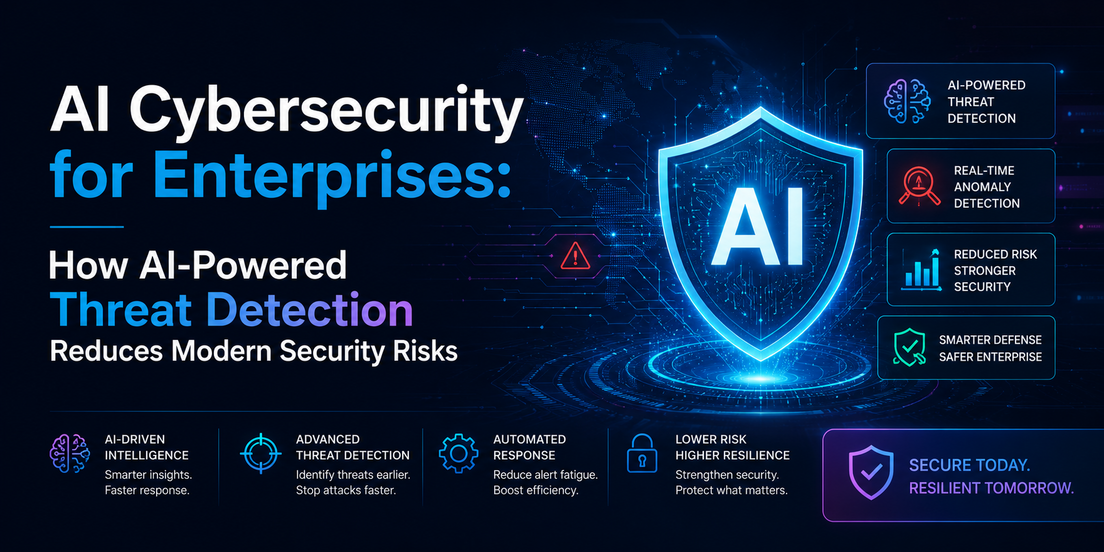
Cloud computing has transformed the way organizations operate by enabling scalability, flexibility, and rapid deployment of applications. However, as businesses increasingly rely on cloud platforms, a new and often underestimated risk has emerged—cloud misconfigurations, one of the most critical concerns in modern cloud security.
Cloud misconfigurations are not like other cyber threats that use complicated attack methods. Instead, they are usually caused by people making mistakes, poor visibility, or not having enough rules. But they are still one of the main reasons why data breaches happen all over the world. An attacker can get direct access to sensitive data if a storage bucket is not set up correctly, access control is too open, or an API is not protected.
Managing configurations gets harder as organizations use more cloud services and platforms. These places can quickly become unsafe if they aren't monitored all the time and security rules aren't followed.
At PIT Solutions, we help organizations proactively identify and eliminate cloud misconfigurations through structured cloud security and managed service frameworks.
What Are Cloud Misconfigurations?
When cloud resources are not set up or managed according to security best practices, this is called a cloud misconfiguration. These mistakes can happen at different levels, like the network, the applications, the identity and access management, and the infrastructure.
They often happen because of quick deployments, a lack of standard policies, or not knowing enough about cloud security models. Because cloud platforms use a shared responsibility model, companies are in charge of protecting their own data, settings, and access controls. If this duty isn't handled properly, it leaves security gaps that attackers can use, increasing the risk of data breaches.
Why Cloud Misconfigurations Are a Major Security Threat
Cloud misconfigurations are especially dangerous because they often go undetected until a breach happens. Misconfigurations can stay hidden in plain sight while putting important systems and data at risk, unlike malware or ransomware attacks that may set off alerts.
As businesses use more cloud services, the number of configurations grows a lot. Every new service, user role, or integration makes things more complicated. Without centralised visibility and control, it is hard to keep track of and manage these configurations properly, increasing over all cloud security risks
Lack of Visibility Across Cloud Environments
Many businesses use more than one cloud or a mix of clouds, which makes it hard to keep track of all their assets and settings. When visibility is low, security teams may not be able to find resources that are set up wrong, like storage that is open to the public, open ports, or services that are not being used but are still accessible. Not knowing this makes it more likely that someone will get into your account without permission and see your data, leading to potential data breaches.
Misconfigured Identity and Access Management
Identity and Access Management (IAM) is very important for cloud security. But too many permissions, accounts that aren't used, and weak authentication systems are common problems. Attackers can gain more access and move laterally within the environment when users or applications have more access than they need.
Rapid Cloud Adoption Without Governance
To meet business needs, companies often quickly adopt cloud technologies. This speeds up innovation, but it can also cause configurations to be inconsistent and a lack of governance. Without standard rules and approval processes, teams might use resources without the right cloud security controls, which makes it more likely that things will be set up wrong.
Common Examples of Cloud Misconfigurations
Some of the most common cloud misconfigurations are:
-
Publicly accessible storage
-
Unsecured APIs
-
Improper network settings
-
Unencrypted data
These problems may not seem like a big deal on their own, but when you put them all together or don't fix them, they can have big effects.
For example, an exposed storage bucket containing sensitive customer data can lead to immediate data leakage. Open security groups or firewall rules can also let unauthorised traffic into important systems. Attackers who scan the internet for resources that aren't set up correctly often take advantage of these weaknesses.
Key Causes of Cloud Misconfigurations
Cloud misconfigurations are typically the result of a combination of operational gaps and human factors, not just technical failures. One of the key reasons for this is the pace of cloud adoption, where teams are prioritising speed over security and configurations are being missed.
Another major consideration is the absence of centralised visibility into multi-cloud and hybrid environments. When organizations operate across multiple platforms without centralised monitoring, it is difficult to track configuration changes and enforce consistent policies.
A big contributor is the lack of understanding of the shared responsibility model. Many organizations believe that all security aspects are managed by cloud providers, but it is the customer who manages configuration and access.
Absence of automated controls, poor governance frameworks, and no routine audits increase the risk of errors. Without structured processes and accountability, misconfigurations are easily missed and left uncorrected.
Business Impact of Cloud Security Misconfigurations
Misconfigured clouds can have effects that go beyond just technical risks. Data breaches resulting from misconfigurations can lead to financial losses, regulatory penalties, and reputational damage. If sensitive customer or business data is made public, companies may also face legal action.
Also, misconfigured systems can cause problems and make customers less likely to trust you. It takes time, money, and a lot of work to recover from these kinds of events. These costs could have been avoided with proactive security measures.
How to Prevent Cloud Misconfigurations
Preventing cloud misconfigurations requires a mix of technology, processes and expertise. Organizations need to take a proactive approach to cloud security that includes continuous monitoring, regular evaluations, and strong governance frameworks.
1. Continuous Monitoring and Configuration Management
Organizations can find and fix misconfigurations in real time with continuous monitoring. By implementing automated tools and alerts, security teams can quickly identify deviations from security policies and take corrective action before they are exploited.
2. Strong Governance and Access Controls
Setting clear rules for how to govern the cloud makes sure that resources are used and managed in the same way every time. Role-based access control, approval workflows, and standardised configurations all help lower the chance of mistakes and changes that aren't allowed, strengthening overall cloud security.
3. Regular Security Assessments and Audits
Regular security checks, like vulnerability assessments and configuration reviews, help find risks that aren't obvious. These tests make sure that cloud environments stay in line with best practices and rules for compliance.
Best Practices for Cloud Security
Following cloud security best practices is critical to minimising the risk of cloud misconfigurations and maintaining a strong security posture. Organizations should focus on adopting a zero-trust model that always verifies access, rather than assuming it.
Automation plays a critical role in maintaining consistent configurations across environments. By using automated policies and security tools, organizations can reduce manual errors and enforce compliance at scale.
Regular training and awareness programs for IT teams are equally important, as human error remains a major cause of misconfigurations. Ensuring that teams understand cloud security principles and responsibilities can significantly reduce risk.
Finally, security needs to be embedded throughout the entire cloud life cycle, from deployment to operations, so that protection becomes part of every stage rather than an afterthought.
Conclusion: Secure Your Cloud Against Misconfigurations with Proactive Management from PIT Solutions
Cloud misconfigurations are now one of the biggest security risks in modern IT environments and leading cause of data breaches. Even with advanced security tools and technologies, organizations are still at risk because of simple configuration mistakes.
To deal with this problem, we need to do more than just react. Companies need to take a proactive approach that includes ongoing monitoring, governance, and expert oversight.
With PIT Solutions, businesses can strengthen their cloud security posture, reduce vulnerabilities, and ensure consistent protection across complex environments.
Schedule a Cloud Security Assessment with PIT Solutions today and take the first step toward eliminating misconfigurations and securing your cloud environment.