



Why the First 24 Hours Matter
A zero-day vulnerability is one of the most dangerous threats in cybersecurity—a software flaw actively targeted by attackers before any patch exists. According to IBM’s Cost of a Data Breach Report, zero-day exploits are among the costliest attack vectors, averaging over $4 million per incident. With no available patch, no established remediation playbook, and often no prior warning, every hour of the first 24 hours matters enormously.
This creates a critical window where attackers and defenders are effectively racing against each other. While threat actors attempt to exploit the vulnerability before organizations can respond, security teams work to understand the threat, identify affected systems, and implement temporary safeguards.
At PIT Solutions, our Managed Cybersecurity Services and Managed IT Services help organizations reduce risk during these high-pressure situations by combining threat intelligence, continuous monitoring, and rapid incident response capabilities.
What Is a Zero-Day Vulnerability?
A zero-day vulnerability (also written as 0-day) is a previously unknown security flaw in software or hardware that is discovered and actively exploited by attackers before the vendor has issued a patch or fix. The term “zero-day” reflects that developers have had zero days to address the problem - making it especially dangerous for organizations worldwide.
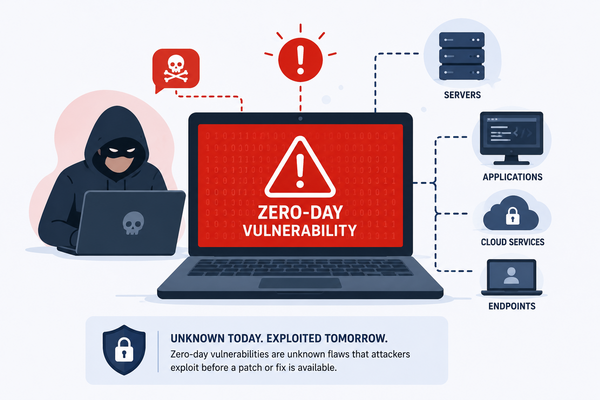
Because defenders have had "zero days" to prepare, these vulnerabilities present a significant security risk. Attackers often exploit them before organizations are aware that a weakness exists.
Zero-day vulnerabilities can affect:
- Operating systems
- Web applications
- Cloud platforms
- Network devices
- Enterprise software
- Mobile applications
The lack of an immediate fix makes early detection and response essential.
Immediate Response Steps After a Zero-Day Attack
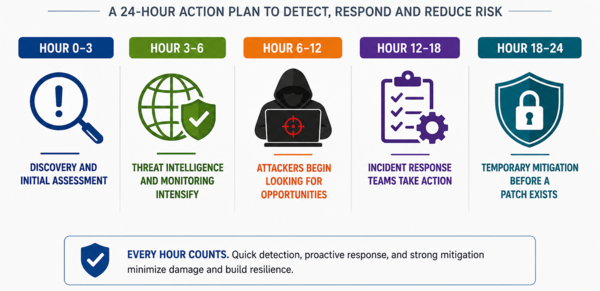
Hour 0–3: Discovery and Initial Assessment
The first few hours following discovery are focused on gathering information and understanding the potential impact.
Identifying the Threat
A zero-day vulnerability may be discovered by:
- Security researchers
- Internal security teams
- Bug bounty participants
- Threat intelligence providers
- Software vendors
In some cases, the first indication comes from evidence of active exploitation rather than the discovery of the vulnerability itself.
Understanding Exposure
Security teams immediately begin assessing:
- Which systems may be affected
- Whether critical business assets are exposed
- The likelihood of exploitation
- Potential operational impact
The goal is to establish a clear understanding of organizational risk as quickly as possible.
Hour 3–6: Threat Intelligence and Monitoring Intensify
As details emerge, organizations increase monitoring efforts and gather threat intelligence.
Security Teams Collect Intelligence
Cybersecurity professionals monitor:
- Vendor security advisories
- Threat intelligence feeds
- Industry alerts
- Security research publications
- Indicators of compromise (IOCs)
This information helps organizations understand how attackers may exploit the vulnerability.
Enhanced Visibility
Organizations strengthen monitoring across:
- Endpoints
- Networks
- Cloud environments
- User authentication systems
- Critical business applications
Improved visibility enables faster detection of suspicious activity.
Hour 6–12: Attackers Begin Looking for Opportunities
Attackers often move quickly once a zero-day vulnerability becomes public knowledge.
Internet-Wide Scanning
Threat actors commonly scan for vulnerable systems connected to the internet.
Their targets may include:
- Web servers
- Remote access platforms
- Cloud workloads
- Enterprise applications
- Public-facing infrastructure
Common Attack Objectives
Cybercriminals may attempt to:
- Gain unauthorized access
- Execute malicious code
- Deploy ransomware
- Steal sensitive data
- Establish long-term persistence
Organizations with proactive monitoring capabilities are more likely to identify these activities before significant damage occurs.
Hour 12–18: Incident Response Teams Take Action
During this phase, security teams focus on containment and risk reduction.
Asset Identification
Organizations identify vulnerable assets across their environment, including:
- Critical servers
- Business applications
- Employee endpoints
- Cloud resources
- Third-party integrations
A complete asset inventory significantly improves response effectiveness.
Threat Hunting Activities
Rather than waiting for alerts, security teams proactively search for indicators of compromise.
Threat hunting may involve:
- Log analysis
- Endpoint investigations
- Network traffic reviews
- User activity monitoring
These activities help identify potential attacks before they escalate.
Hour 18–24: Temporary Mitigation Strategies Before a Patch Exists
Because a patch is not yet available, organizations implement compensating controls to reduce risk.
Restricting Access
Security teams may:
- Disable vulnerable services
- Limit external connectivity
- Enforce network segmentation
- Apply stricter access controls
These measures reduce the attack surface while permanent remediation is being developed.
Advanced Threat Detection
Modern security solutions can identify suspicious behavior even when signatures for a specific vulnerability do not exist.
This includes:
- Behavioral analytics
- Endpoint Detection and Response (EDR)
- Security Information and Event Management (SIEM)
- Managed SOC monitoring
These capabilities provide additional protection during the critical early stages of a zero-day event.
How Organizations Detect Active Exploitation
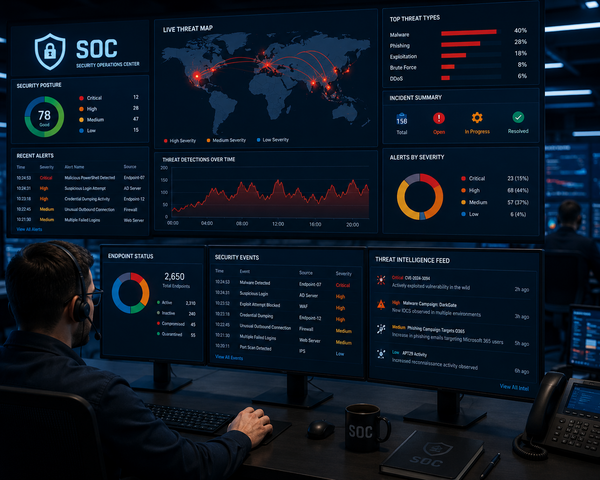
Detecting active exploitation is critical during the first 24 hours of a zero-day vulnerability. Organizations rely on threat intelligence feeds, security monitoring tools, threat hunting activities, and behavioral analytics to identify indicators of compromise (IOCs). Enhanced visibility across endpoints, networks, cloud environments, and critical applications enables security teams to rapidly detect suspicious activity and respond before attackers can establish persistence. Technologies such as Endpoint Detection and Response (EDR), Security Information and Event Management (SIEM), and Managed SOC monitoring play a key role in identifying exploitation attempts in real time.
Temporary Mitigation Strategies Before a Patch Exists
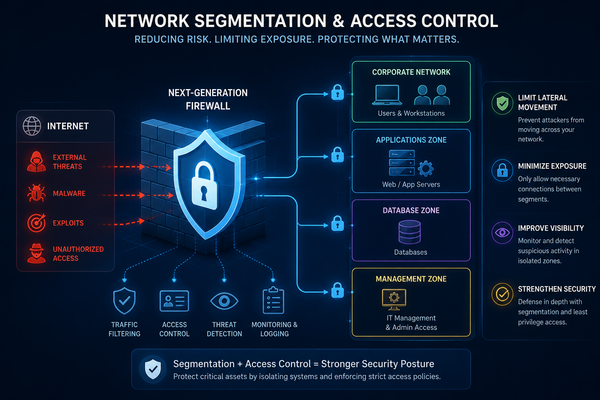
Before a vendor releases an official patch, organizations must implement temporary mitigation strategies to reduce risk. Common approaches include disabling vulnerable services, restricting external access, enforcing network segmentation, and applying stricter access controls. These compensating controls help reduce the attack surface and limit the potential impact of exploitation while security teams continue monitoring for suspicious activity and awaiting a permanent fix.
The Vendor Response Process
While organizations focus on defense, software vendors begin developing a solution.
Root Cause Analysis
Development teams investigate:
- The source of the vulnerability
- Affected software components
- Exploitation techniques
- Potential impact on customers
Patch Development and Testing
Before releasing a fix, vendors must:
- Develop a secure patch
- Test functionality
- Validate compatibility
- Prevent unintended disruptions
This process requires speed while maintaining software reliability.
Business Risks of Zero-Day Vulnerabilities
The impact of a successful zero-day attack extends far beyond technical systems — and history confirms this. High-profile incidents such as the Log4Shell vulnerability (2021) and the Microsoft Exchange Server zero-days (2021) exposed thousands of organizations globally, causing operational shutdowns, regulatory scrutiny, and significant financial damage.
Organizations may experience:
- Data breaches
- Financial losses
- Operational downtime
- Regulatory penalties
- Customer trust issues
- Reputational damage
For businesses undergoing digital transformation, these risks can significantly affect long-term growth and resilience.
Best Practices for Managing Zero-Day Risks
Although zero-day vulnerabilities cannot be predicted, organizations can strengthen their preparedness.
Continuous Vulnerability Management
Regular vulnerability assessments help identify and address security weaknesses before they become critical risks.
Real-Time Threat Intelligence
Access to up-to-date threat intelligence improves awareness and enables faster decision-making during emerging incidents.
Strong Incident Response Planning
Clearly defined incident response procedures help teams react efficiently under pressure.
Zero Trust Security
Zero Trust principles limit unauthorized access and reduce the impact of successful exploitation attempts.
Continuous Security Monitoring
Round-the-clock monitoring improves threat visibility and accelerates detection of suspicious activities.
How PIT Solutions Helps Prevent Zero-Day Threats
PIT Solutions helps organizations strengthen their cyber resilience through
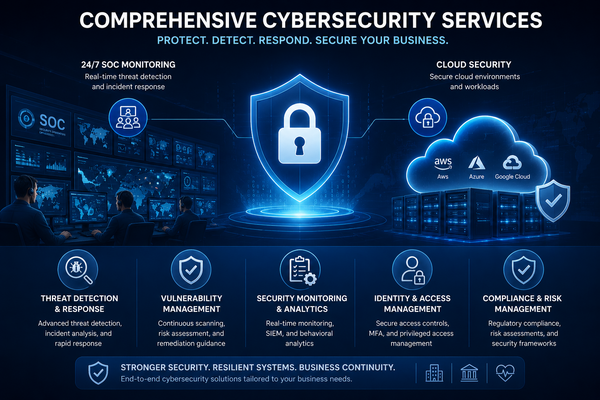
These capabilities enable organizations to detect threats faster, respond effectively, and minimize the impact of emerging cyber risks.
Frequently Asked Questions About Zero-Day Vulnerabilities
What is the difference between a zero-day vulnerability and a zero-day exploit?
A zero-day vulnerability is the underlying software flaw. A zero-day exploit is the attack code or technique that weaponizes that flaw. Both terms are often used interchangeably, but understanding the distinction helps organizations prioritize their incident response.
How long does a zero-day vulnerability typically remain unpatched?
Research suggests zero-day vulnerabilities can remain undetected for an average of 69 days, though some persist for years. The time-to-patch varies widely by vendor, severity, and complexity. During this window, proactive monitoring and compensating controls are the primary line of defense.
Can antivirus software detect zero-day attacks?
Traditional signature-based antivirus tools typically cannot detect zero-day attacks because no signature exists yet. Modern Endpoint Detection and Response (EDR) platforms, behavioral analytics, and AI-powered threat detection are better equipped to identify anomalous activity associated with unknown exploits.
What should an organization do immediately after discovering a zero-day vulnerability?
The immediate priorities are:
- Assess which systems are affected.
- Activate the incident response team.
- Increase monitoring across all endpoints and networks.
- Implement access restrictions and network segmentation.
- Gather threat intelligence from vendor advisories and industry feeds.
Future of Zero-Day Defense
As cyber threats continue to evolve, organizations are increasingly adopting advanced security technologies to improve protection.
Future-focused cybersecurity strategies include:
- AI-powered threat detection
- Behavioral analytics
- Automated incident response
- Predictive risk intelligence
- Advanced threat hunting
These innovations help organizations identify and respond to previously unknown threats with greater speed and accuracy.
Conclusion
The first 24 hours of a zero-day vulnerability often determine the overall impact of a cybersecurity incident. During this critical period, organizations must rely on threat intelligence, continuous monitoring, proactive incident response, and temporary mitigation strategies to protect critical assets.
While vendors work to develop a patch, businesses that leverage Managed Cybersecurity Services and Managed IT Services, along with strong cybersecurity foundations, are better positioned to reduce risk, maintain operations, and strengthen resilience against evolving threats.
Stay Protected Against Emerging Cyber Threats
Organizations seeking proactive cybersecurity protection can partner with PIT Solutions to strengthen threat detection, vulnerability management, and incident response capabilities.
Connect with PIT Solutions today to explore Managed Cybersecurity Services, Managed IT Services and Managed DevOps & DevSecOps Services.